Training the next generation of FDEs and AI engineers

Excited about training the next generation of FDE and AI engineers at Plank! The way we build software is changing every few months and the only way businesses can keep up is with on-going training of team members.
The way you built 6 months ago is already LEGACY.
Our AI accelerator team just released a new video! This time, we're showing a bit of what we've been building: AI extraction pipelines, async processing, parallel workflows, and human validation based on confidence scores.Read Plank’s full post on LinkedIn
- Forward deployed engineering
- Plank
Keep reading
Newer: AWS Lambda introduces MicroVMs for isolated sandboxesCoding agents
PostHog's 70x faster SQL parser built with Claude Code
Robbie Coomber from PostHog rewrote PostHog's SQL parser using multiple long-running Claude Code sessions in parallel. The result was 16K lines of "hand"-rolled parser code, 5K lines of tooling, a few more K of tests, and a ~70x speed up! Thats awesome. There really is no excuse to not ask Claude or Codex to optimize your codebase. Of course it requires providing the right evals and harness so that it has a way to measure correctness in an objective way. Also I love that they have a formal declarative grammar for the parser using ANTLR .g4 format. Read more here: posthog.com/blog/sql-parser

Software architecture
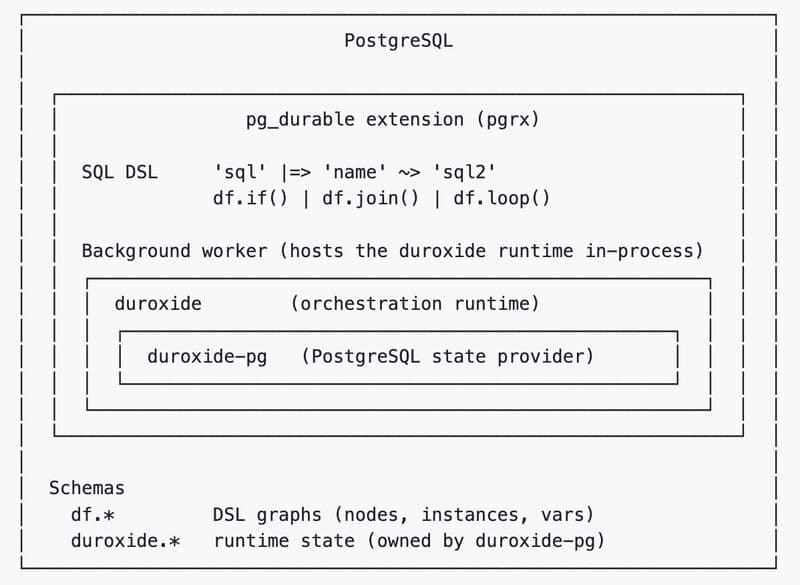
Microsoft pg_durable and keeping everything in the database
Microsoft open sources pg_durable - this allows durable task execution within PostgreSQL. I personally really like the pattern of keeping everything within the database and avoid external queues, multiple databases to manage state, locks etc. Every additional architecture module introduces complexity that might not be needed. In most applications if you keep everything within the DB, it makes each individual flow fast, clean, contained. And re: scaling, just scale vertically and then shard as needed. That works for most b2b apps. github.com/microsoft/pg_durable
Coding agents
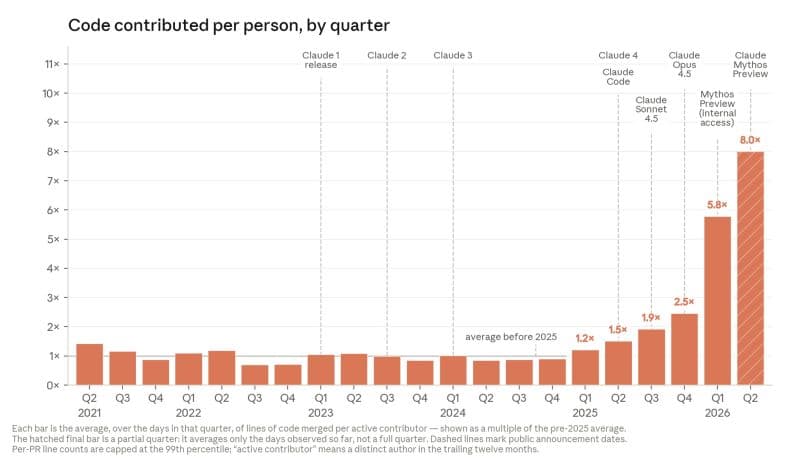
Anthropic engineers now ship 8x as much code per quarter
The amount of software in the world is at the cusp of a Cambrian explosion. Today, Anthropic engineers on average ship 8x as much code per quarter as they did compared to 2021-2025.
Models and research
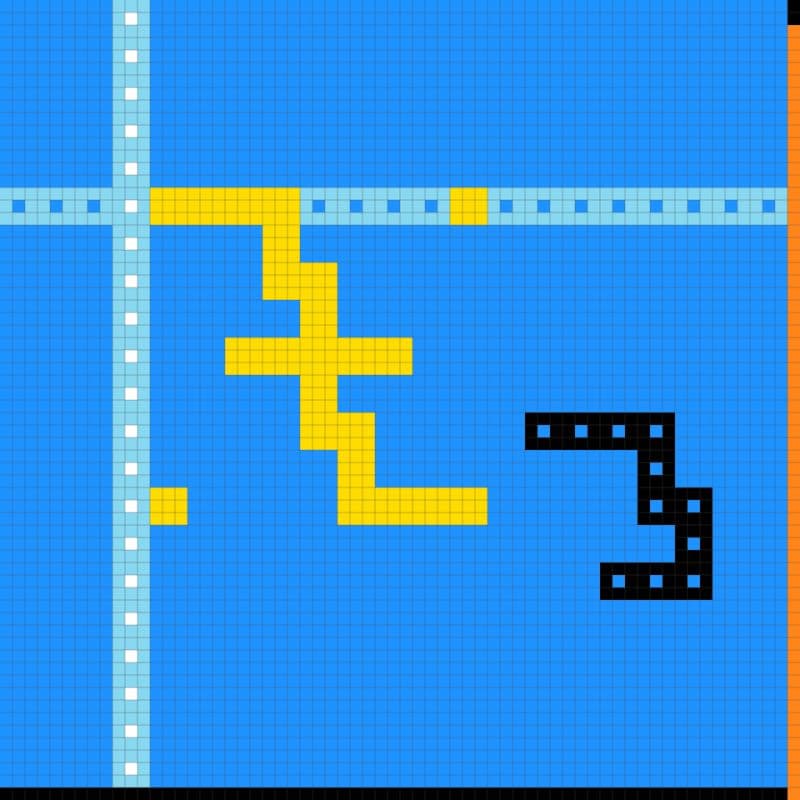
Opus 4.8 sets a new state of the art on ARC-AGI-3
Opus 4.8 is new SOTA on ARC-AGI-3! It was fun to help contribute to the open source benchmark harness for running this eval. Github repo: github.com/arcprize/arc-agi-3-benchmarking x.com/arcprize/status/2061512025638121516
Models and research
Anthropic is already profitable on inference unit economics
Anthropic is already profitable on inference unit economics. anthropic.com/news/confidential-draft-s1-sec
Coding agentsAI agents
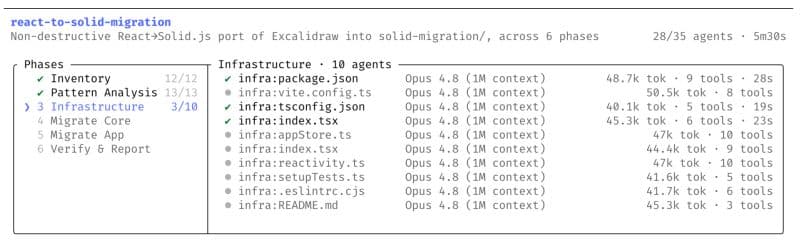
Claude Code dynamic workflows move abstraction up a level
Claude releases workflows. This moves the abstraction layer one level up again. Rather than having to craft a multi-agent harness for your codebase, this allows Claude to intelligently come up with the harness. The workflow is modeled as a DAG with agents as nodes. So its a generic computation construct. Elegant! claude.com/blog/introducing-dynamic-workflows-in-cl…
AI agents
Congrats to Fang Cheng and Caeli on the launch
Excited for this launch Fang Cheng. These types of tedious yet simple rules based decision making is what AI agents are perfect for.
Customers and partners
Congrats to Cargo Robotics on signing a top parcel carrier
Congrats Daniel and Cargo team! Always exciting to see a StartX portco and a Plank customer be successful! LFG