

Plank AI Clinic for SMEs

Practical AI for small businesses. Real-world learning for students.

Plank partners with universities and local economic development groups to help small businesses solve key day-to-day challenges using AI automation. Students are trained by Plank and get hands-on experience solving real problems for business owners.

Inaugural partners
Northeastern UniversityICA Fund
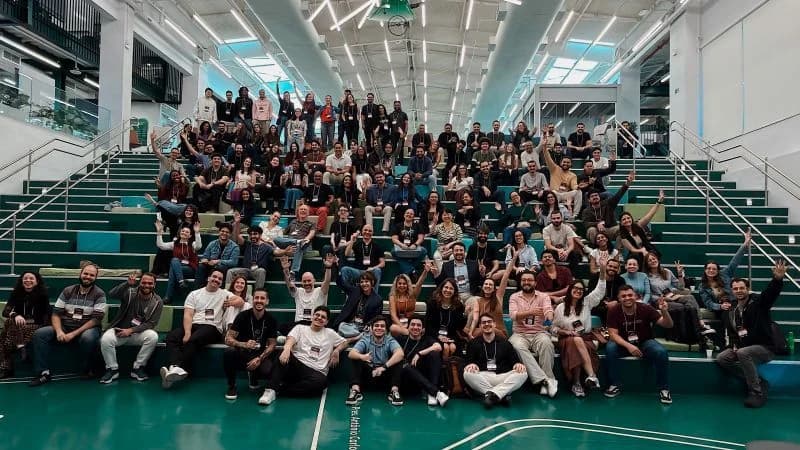
A crowd of about a hundred people wearing name badges, seated on tiered steps in a large hall, many of them waving at the camera
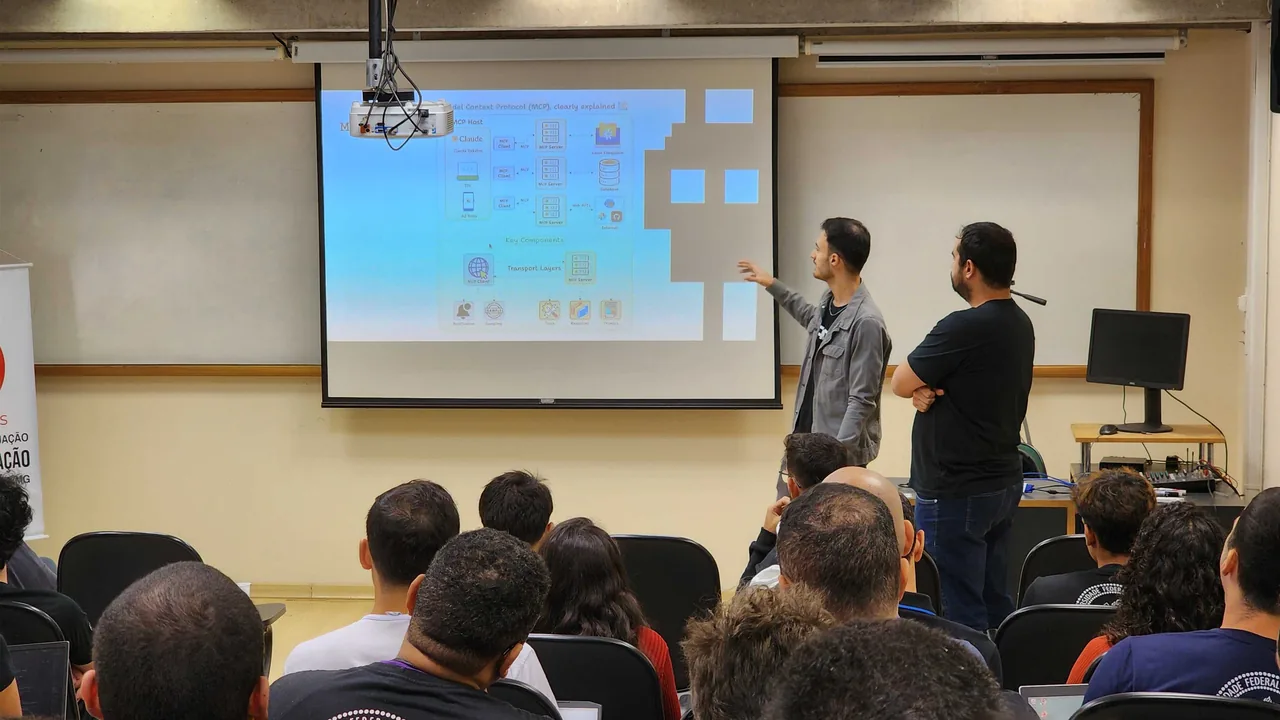
Two instructors at a projected slide explaining the Model Context Protocol, one pointing at the diagram, with a classroom of students watching
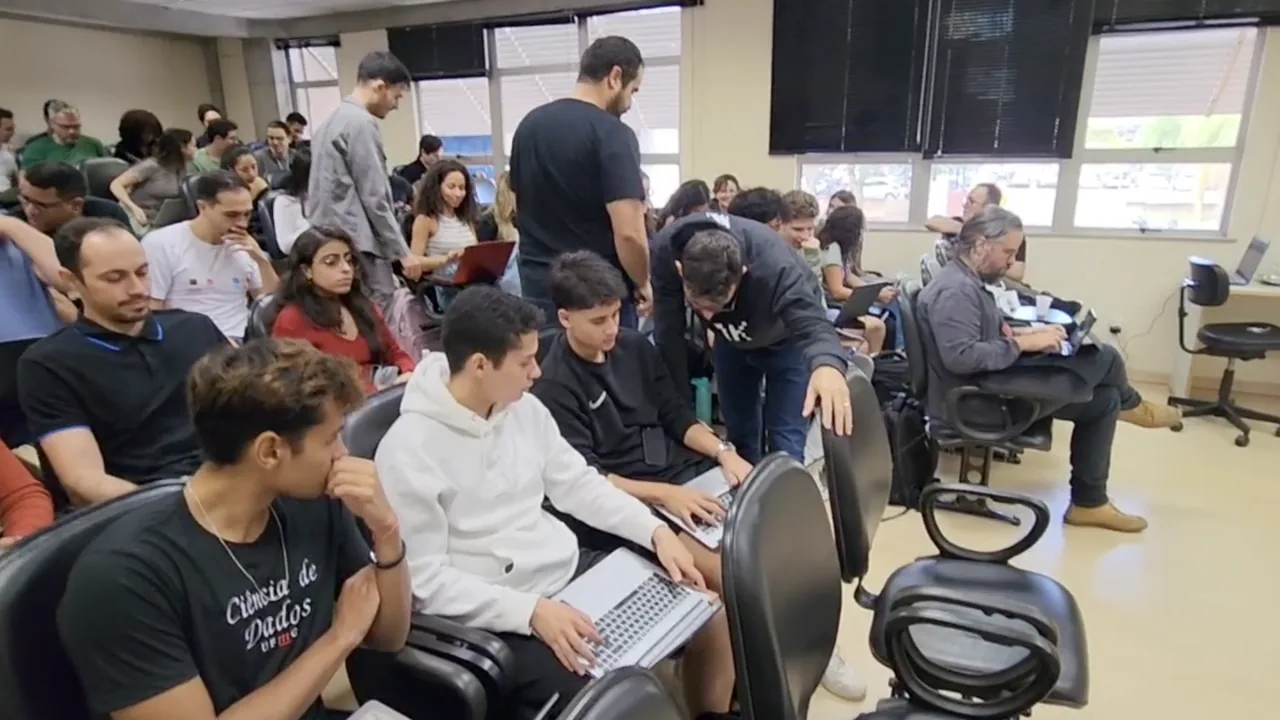
Students working on laptops in a classroom while instructors move between the rows to help
Photos from Plank’s student AI workshops in Brazil.

Why we’re doing this

AI is a huge, yet untapped, opportunity for SMEs

For many SMEs, turning AI’s potential into something useful can still feel difficult. Owners may not know which business problems are well suited to AI, which tools to use, or how to integrate those tools into the systems and workflows they already rely on.

At Plank, we believe realizing AI’s full promise requires equipping a broad ecosystem of people and businesses to use it effectively. That belief sits at the heart of our AI Clinic, a program designed to help SMEs adopt AI in practical ways, while also helping a new generation of people get early exposure to real business problems and a better understanding of what AI can make possible.

How the program works

From training to practical AI workflows

Over about three weeks, Plank selects and trains a cohort of students and separately selects and prepares a group of small businesses. Students and business owners then meet in person for one clinic day and build workflows together on the business’s own systems.

The outline below covers the main components of the AI Clinic program. We tailor and co-design the program with each partner university or local economic development group to fit their goals and priorities.

Student training

10–15 hours total

Self-paced learning

Selected computer science students take a self-paced Plank course in AI technology and user research.

Module 1: AI and Technology

Students learn how AI models and agents work, write instructions, pass data, connect business tools, and combine agents to automate tasks.

Module 2: Business and Consulting

Students practice interviewing owners, mapping workflows, finding where AI can help, and estimating its potential value.

Guided learning

Plank’s senior engineers and business advisors lead two one-hour sessions.

Session 1: Discovery and Value

Students practice user discovery and turn what they learn into a workflow map and value estimate.

Session 2: Clinic Workflows

Students ask Plank leaders questions and review four or five example integrations and workflows for clinic day.

SME problem discovery

15-minute user discovery call

Select businesses for the clinic

Owners complete a short questionnaire about their business and a recurring task they want help with. Plank reviews applications and selects participating businesses.

Identify a key workflow

Plank reviews the business’s tools, systems, and workflows with the owner. Together, they identify a useful workflow AI can solve and agree on a practical focus for clinic day.

Clinic day

4–6 hours · in person

One-to-one build sessions

Students and Plank engineers connect business tools to AI and work on two or three selected workflows with each owner.

Demos and shared learning

Students and owners share what they learned, discuss what AI can and cannot do, and ask questions. Owners learn how to adjust or create similar workflows after the clinic.

Example workflows

Types of workflows SME owners can set up

AI can help automate repetitive tasks that take up much of an SME owner’s time. Here are a few examples.

Email & messaging

Customer inquiries arriving by email or message are sorted, with a draft reply waiting for the owner to approve.

Social media

An agent posts to the business’s social media on the owner’s behalf, answers customers’ questions and replies to their comments.

Sales

An agent profiles the business’s current customers, finds similar prospects and runs outreach campaigns to reach them.

Accounting → Email

Reminders go out automatically to customers with unpaid invoices.

Internal operations

When a new sale comes in, an email goes to the right supplier with the order details and expected fulfillment timeline.

Reviews

Invite recent customers to share testimonials, publish approved quotes on the website, and request reviews online.

Partner with us

Help bring AI to small businesses in your community

Plank partners with universities and local economic development groups to help small businesses put AI to work while giving students hands-on experience.