Anthropic's IPO and what product building comes down to

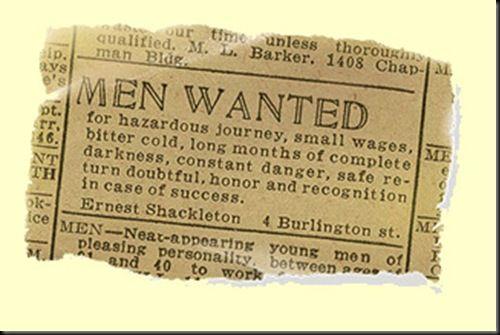
Anthropic had their IPO today. It's a great example of a company founded on almost a religious belief of the founders that they were willing to go all in on. Then they went on to assemble a small yet formidable team of people who believed in that vision and joined that religion. It is an amazing time to be building, but it is an era where building has come down to the essence of what it meant to be a product builder. All the minutiae and the grunt work is now automated. So, really, what it comes down to is a philosophy, a belief, and a point of view which you hold dearly, and that is what permeates throughout your product and offering, and that is what your users feel when they use your product.
- Models and research
- Plank
Keep reading
Newer: Claude and the Riemann Hypothesis: proving vs postulatingPlankCoding agents
Simple ways to cut LLM token spend in a day
Simple techniques to optimize your token spend - these are low hanging fruits you can implement and realize ROI in 1 day.
Enterprise AIForward deployed engineeringAI agents
Anthropic vs Databricks in enterprise AI deployment
Enterprise AI deployment is currently a battle between Anthropic and Databricks. Both are approaching it from two very different vantage points. Anthropic is leveraging its extreme traction in employee adoption to go upstream. This is evidenced with their recent releases on claude-managed agents running inside customer VPCs, and their strong push on Ode, their deployment company. On the other hand, Databricks is pushing hard to go upstream from their lakehouse traction, this is evidenced by their recent push on Databricks Genie agents. However, the war has just begun. This is just the first battle. Finally, I believe a Spartan warrior will emerge as the David that beats the Goliath
Models and research
Qwen-4 open-weight models in 16GB RAM
Qwen-4 is out. More interestingly, they are going to release open weight models that fit in 16GB RAM. That will further open up the market for consumer AI apps that can run locally on consumer laptops...
Models and researchPlank
Constraints, compression and intelligence
Constraints lead to greatness. Even for LLMs, the core idea behind them is compression - you ask for a large amount of information (like the internet) to be compressed to extremes, and what emerges is intelligence. The most succinct representation of a book of multiplication tables is a simple multiply function.
Models and researchEnterprise AI
The era of small models in the enterprise
It's the era of small models in the enterprise. We have entered an era where token costs are now zero. In most of the enterprise deployments we do, there is a progressive and smart routing of decision making to different models, and increasingly, most of it is being done with local models. Our teams at Plank are at the fore-front of how to extract the most out of these models, given the compute architecture.
Plank
One person with the right tools is now enough
The world is changing. We have incredible new tools at our disposal. Humans who combine their creative ingenuity and thinking with the skill set of wielding these tools effectively now have the ability to achieve great things. Each of you is a Sparta warrior but now you don't need 300, 1 of you is enough because you have an unfair advantage of having the weapons of Gods in your hand. Go make history!
Enterprise AI
AI's impact beyond coding will take time to diffuse
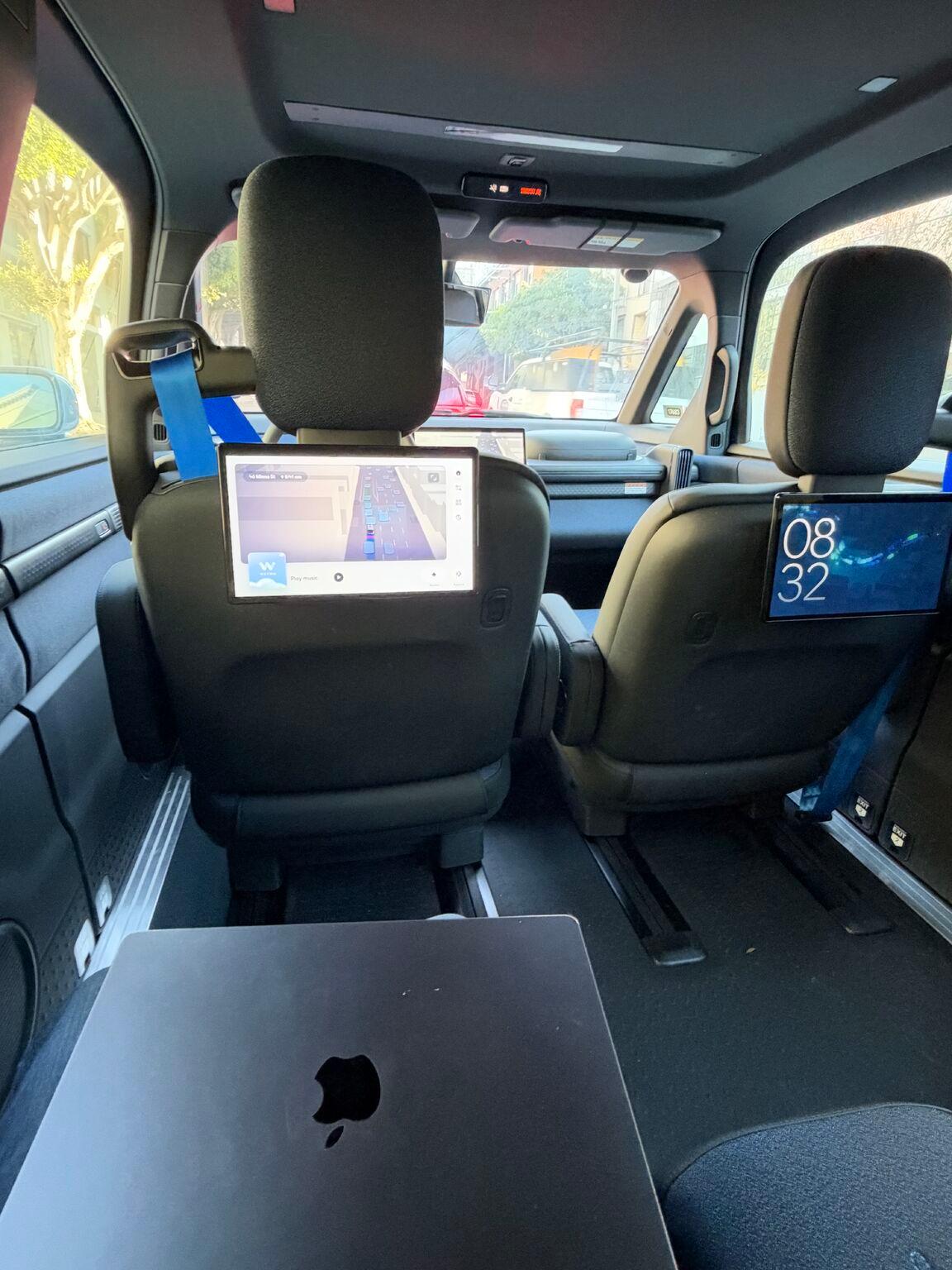
A majority of the impact of AI so far has been in the software engineering and coding domain, and this is yet to make an impact on the broader economy. As an example, so far, Waymo was more expensive than Uber and Lyft, but recently, in my experience in SF, they are now consistently ~25% lower. The same will happen in other domains, but will take time for the diffusion because the bar for an AI system to replace a human process is much higher. We expect a much higher accuracy from automation than from doing the work ourselves. That requires solving a lot of edge cases, which is tedious and takes time. The problem there is again not how to solve it, but to understand what are those edge cases and the context of how these systems interface with the real world.
Models and researchAI agents
Local models versus labs is not a binary choice
I think the debate of local models vs labs is not a binary debate. Any reasonably complex platform will use both. The key is how do you decide what agents you use local models for and what agents you use GPT/Claude for.